

Has ‘Chic’ Lost Its Meaning in the Age of Algorithms?
chic style
FASHIONHas ‘Chic’ Lost Its Meaning in the Age of Algorithms?
written by Stephanie Whitlock“Chic” is a word that has been tossed around with increasing frequency. Once reserved for an effortless, almost intangible sense of style, it now finds itself repackaged in short-form videos—rebranded, refined, and ultimately diluted. What was once innate has become instructional. And so, one has to wonder: has chic simply become another tagged trend—once timeless, now destined to be forgotten within months?
Trends are fleeting by design. They arrive with urgency and disappear just as quickly. But chic—true chic—was never meant to follow that same trajectory. It existed beyond the trend cycle, immune to seasonal reinvention. It was instinctive, personal, and, above all, original.
Yet somewhere along the way, we have lost sight of that distinction. Much like so many words in the age of social media, “chic” has been stretched, filtered, and reshaped until it barely resembles its former self. Language, like fashion, evolves—but what we are witnessing feels less like evolution and more like erosion. One need only look back at the “clean girl” aesthetic of the early 2020s to see how quickly a concept can be flattened into a formula.
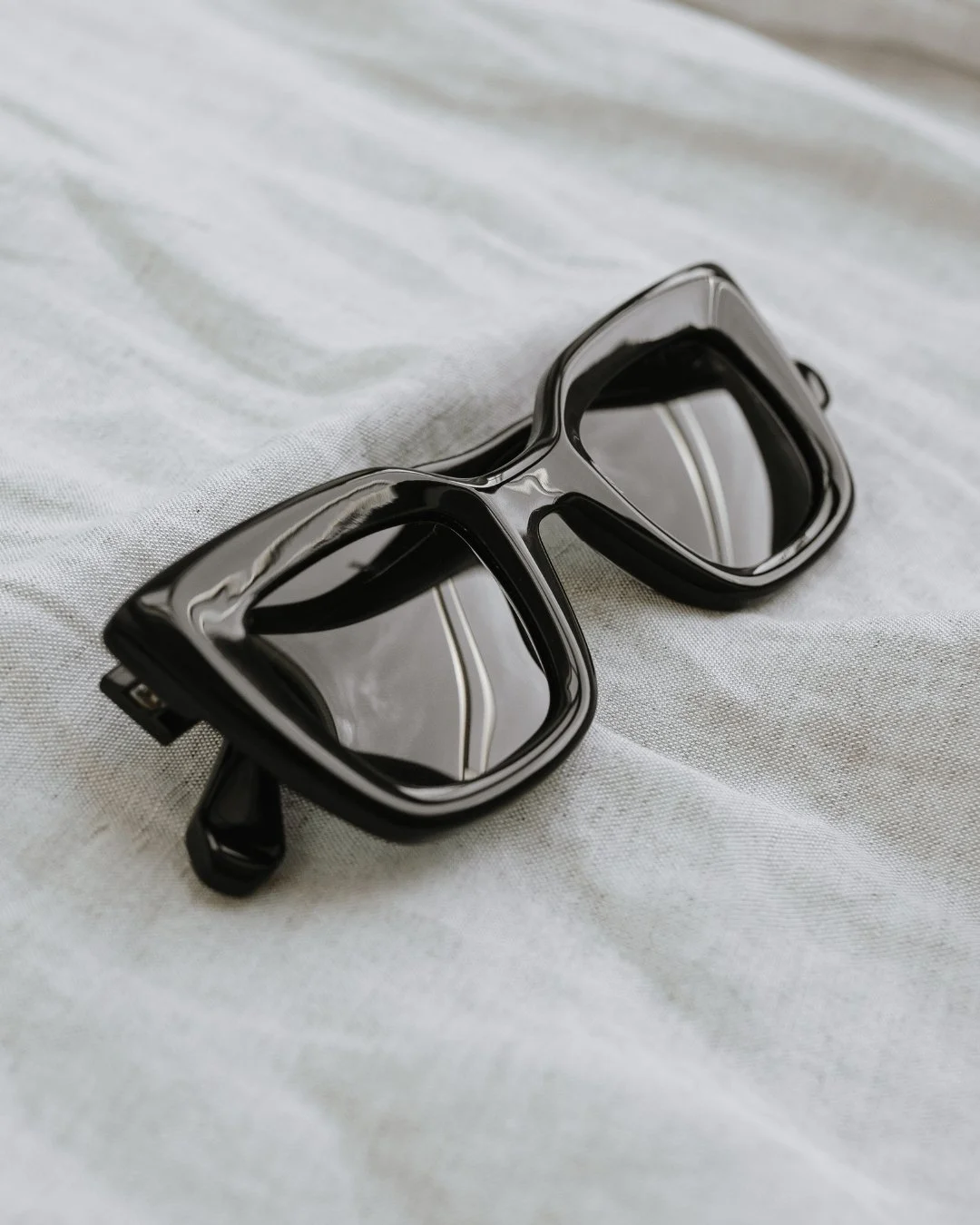
Scroll for long enough today, and a pattern begins to emerge. “Chic” is now positioned as an elevated, corporate-adjacent evolution of that same clean, minimalist archetype. Think black sunglasses, sharply tailored suiting, muted palettes—an aesthetic presented not as inspiration, but as instruction. A checklist rather than a feeling.
And therein lies the issue.
Chic was never meant to be prescriptive. It was not something that could be distilled into a step-by-step guide or reduced to a uniform. It thrived in nuance, in individuality, in the quiet confidence of doing something entirely your own. To be chic was to depart from the obvious—not to replicate it.
Now, however, we are witnessing the opposite. Chic has become a trend in itself, packaged and sold back to us as an attainable ideal, complete with rules and replicas. The irony is almost too neat: in trying to make chic accessible, we have stripped it of the very quality that made it desirable in the first place—its elusiveness.
shopping experience
Perhaps it is not chic that needs redefining, but our relationship with it. Because true chic cannot be taught, curated, or mass-produced—it can only be embodied, and that, by nature, resists imitation.
Where no label is defined, no person can re-enact it. Where no external opinion dictates, individuality quietly takes its place.
So, forget the trend followers. Look instead to the originals—those who lived a life wrapped in chic. Where softness met something colder, sharper. Where icons remained true to their core, not bending to the ideals of the time but moving alongside them, untouched.
They listened to themselves. Their lifestyle and their clothing existed in harmony, each reflecting the other. They dressed for the moment, yes—but never for validation, nor for the fleeting reward of admiring glances. They dressed for themselves, embodying outwardly what already existed within.
Colour was allowed, but never loud. Make-up was present, but never performative. Hair was styled, but never stiff. Nothing felt forced, nothing overworked.
It lived in the moment.
And perhaps that is what chic has always been: not a formula to follow, but a presence to inhabit.
True chic, I hope, will always endure—largely because those who possess it rarely recognise it in themselves. It exists quietly, without announcement or performance.
There is something endlessly compelling about observing the women who do not live for the algorithm. The ones who move through the world with a certain awareness, attuned not to trends, but to what truly matters. They dress, live, and carry themselves with intention—not for visibility, but for alignment.
And perhaps to be chic: is never seek it, but to those who, almost unknowingly, already embody it.
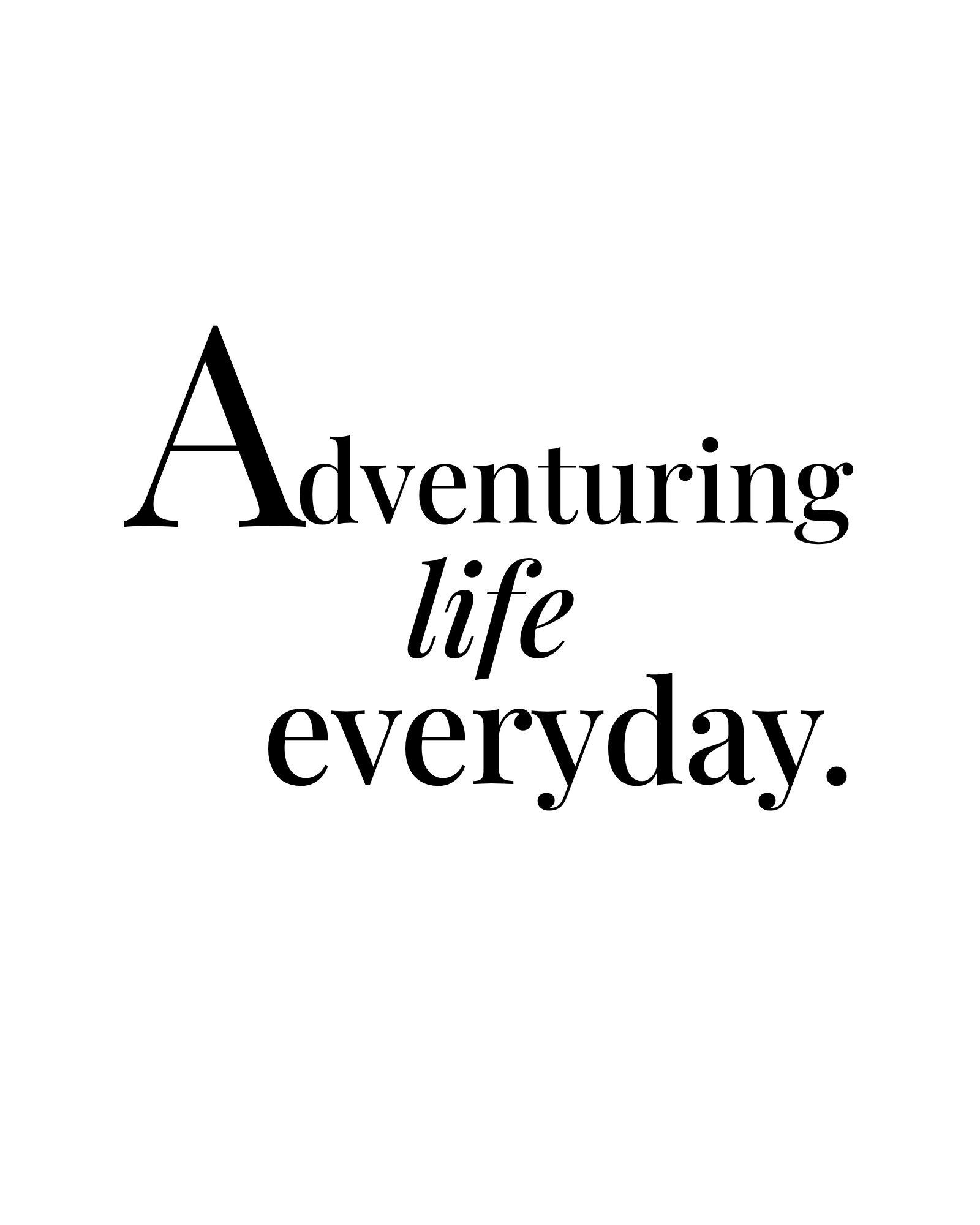
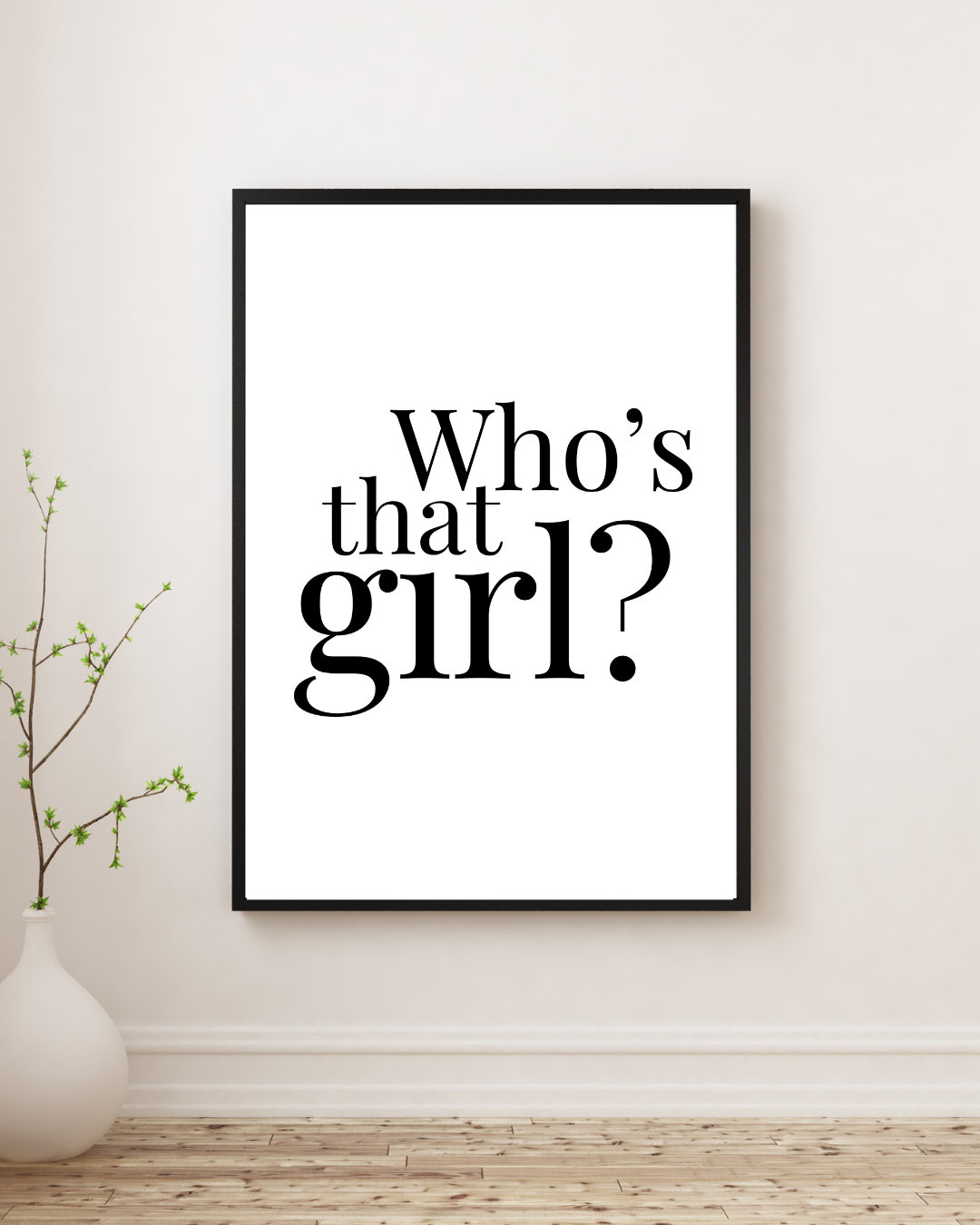
A bold, editorial-style print for the girl in her becoming era.
“Who’s that girl?” is the headline of your life edit – the moment you realise you’ve outgrown the old version of you. This black-and-white typography print adds a chic, magazine feel to your space and a reminder that you’re allowed to change.
Designed in a clean, minimal style to sit with the Lavie edit aesthetic – coffee-table books, neutral tones and intentional living.