

Spring Clean Your Home: A Practical Guide To Decluttering, Creating Lasting Space.
lifestyle Spring Clean Your Home: A Practical Guide to Decluttering, Creating Lasting Space.
written by Stephanie Whitlock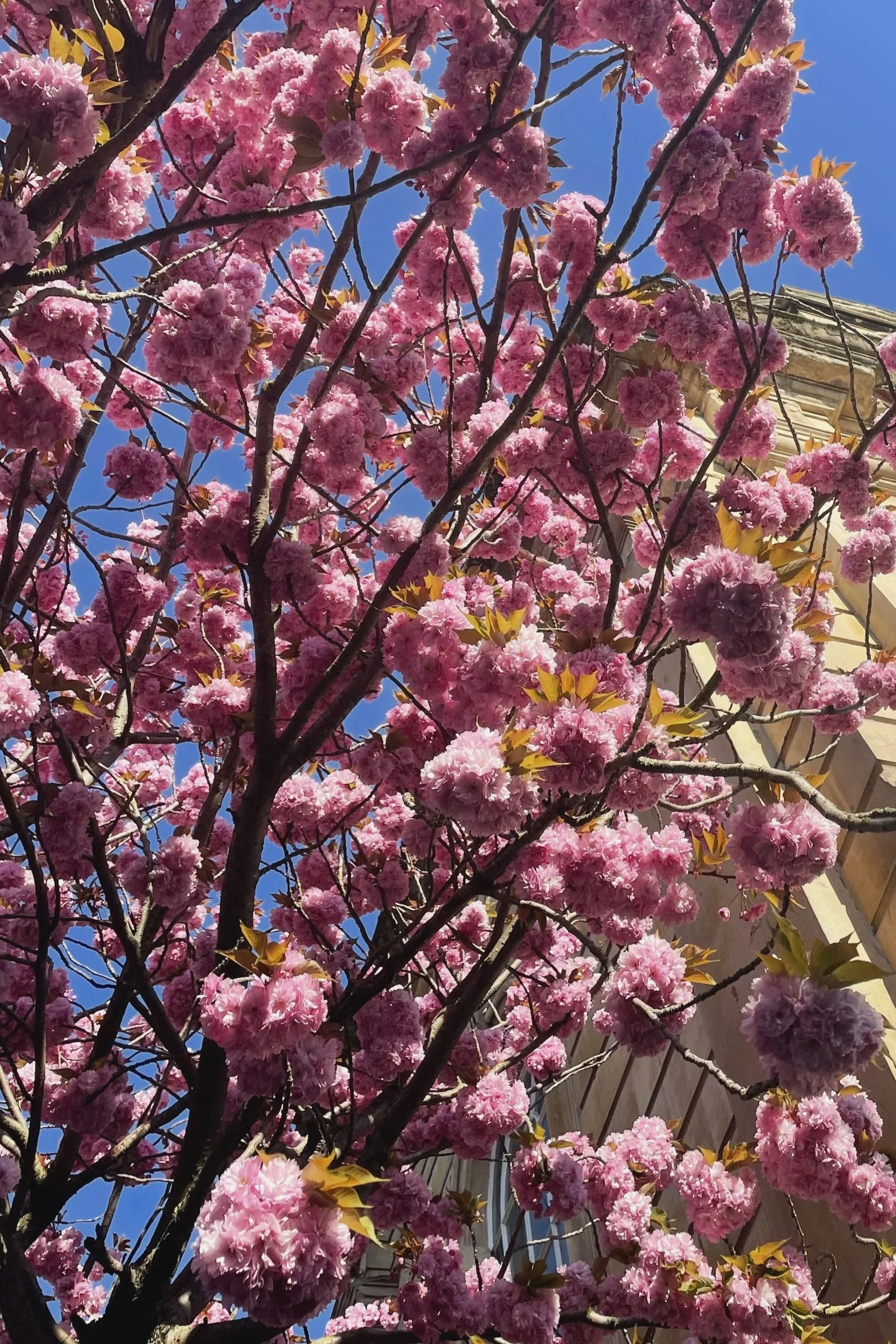
As the light returns, so does our instinct to clear, reset and make room — not just in our homes, but within ourselves.
Spring is a reminder that rejuvenation has arrived. Flowers bloom and daylight lingers longer, gently exposing the world once more. As the gloom of winter fades, the lens shifts towards our homes, where the annual clean begins.
Our homes are the landscape of our lives, holding beauty in our individuality — shaped by memory, passion and taste. Yet the weight of dead branches from seasons past can cling stubbornly to the tree. I carried that weight for far too long, until one day I broke it off — filling bags with clothes and objects that no longer brought light into my life.
Left with empty space, I felt lighter. Happier. But soon that lightness shifted into a quiet void. I began planting seeds in my mind — the urge to replace, to refill, to occupy what I had just cleared.
So I paused.
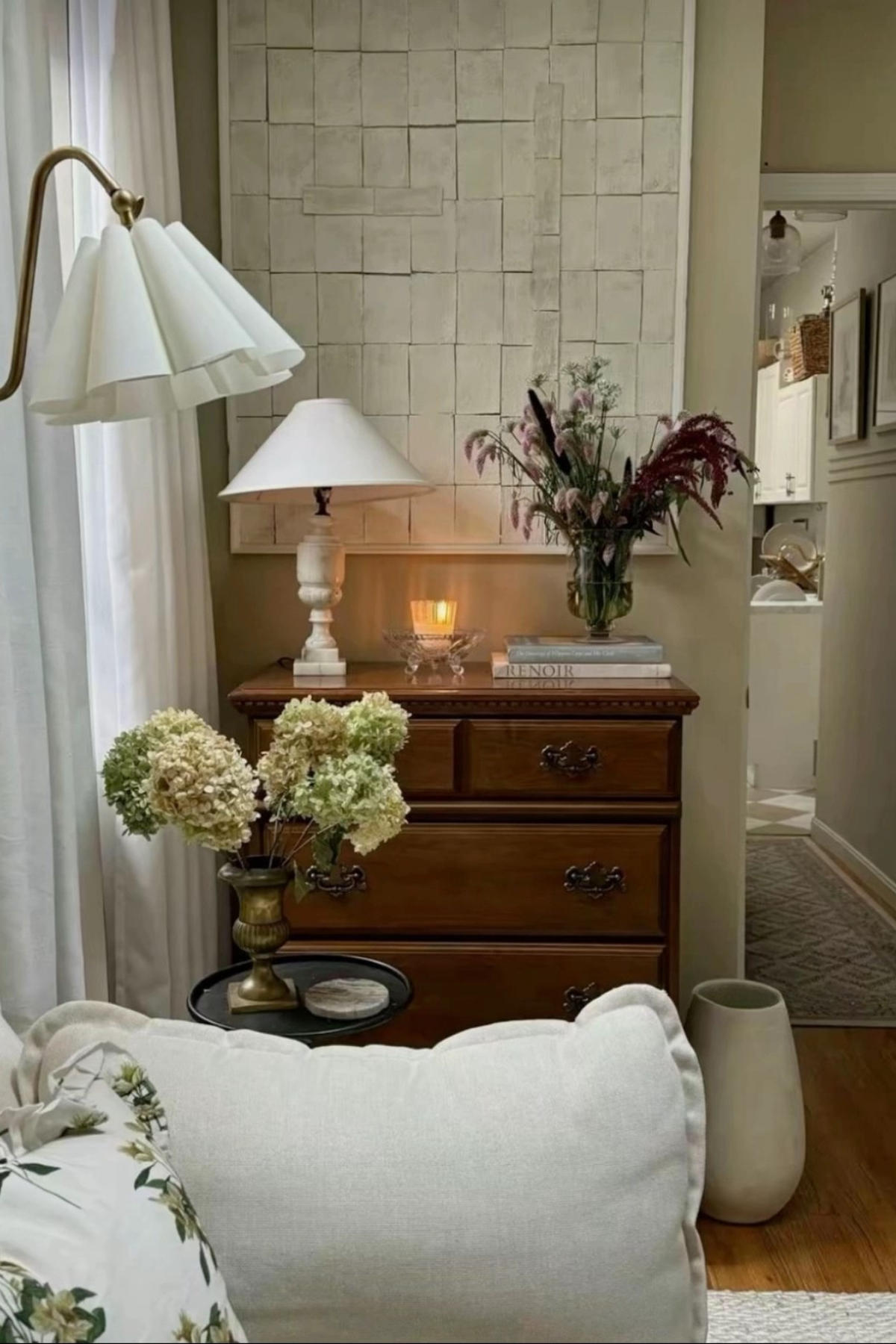
I took another look, noticing the beauty in what remained — the quietness of it. The simplicity. The sense of harmony. From there, I approached my space differently.
A Guide to edit your home
Start Small and Stay Specific
Choose one contained area — a single drawer, a shelf, one section of your wardrobe. Completing a small space builds momentum without exhaustion. When the area is limited, every item must justify its place.
Ask yourself:
• Do I use this regularly?
• Does this make my daily life easier?
• Would I notice if it were gone?
If the answer is no, it may be time to let it go.
Separate Memory From Use
Some items stay because they hold meaning rather than function. That’s natural. But not everything meaningful needs to remain visible or occupy everyday space.
Keep what genuinely matters. Photograph what you feel unsure about. Release what you’re keeping out of guilt.
There is a difference between honouring the past and storing it indefinitely.
Clear Before You Clean
Once an area is empty, wipe it down before returning anything. This pause reinforces the reset. Place items back slowly. Notice how much calmer a half-filled shelf feels compared to a crowded one.
Stop before it feels full.
Notice What You Can Live Without
As you clear, pay attention to excess. Duplicates. “Just in case” items. Things kept out of habit rather than intention.
Clarity often comes not from what you keep, but from recognising what you never truly needed.
Focus on What You Reach For
In your wardrobe especially, look at patterns. Which clothes do you actually wear? Which sit untouched?
Keep the pieces that support your real, everyday life — not the imagined one. Versatility is more valuable than volume.
Use What You Have
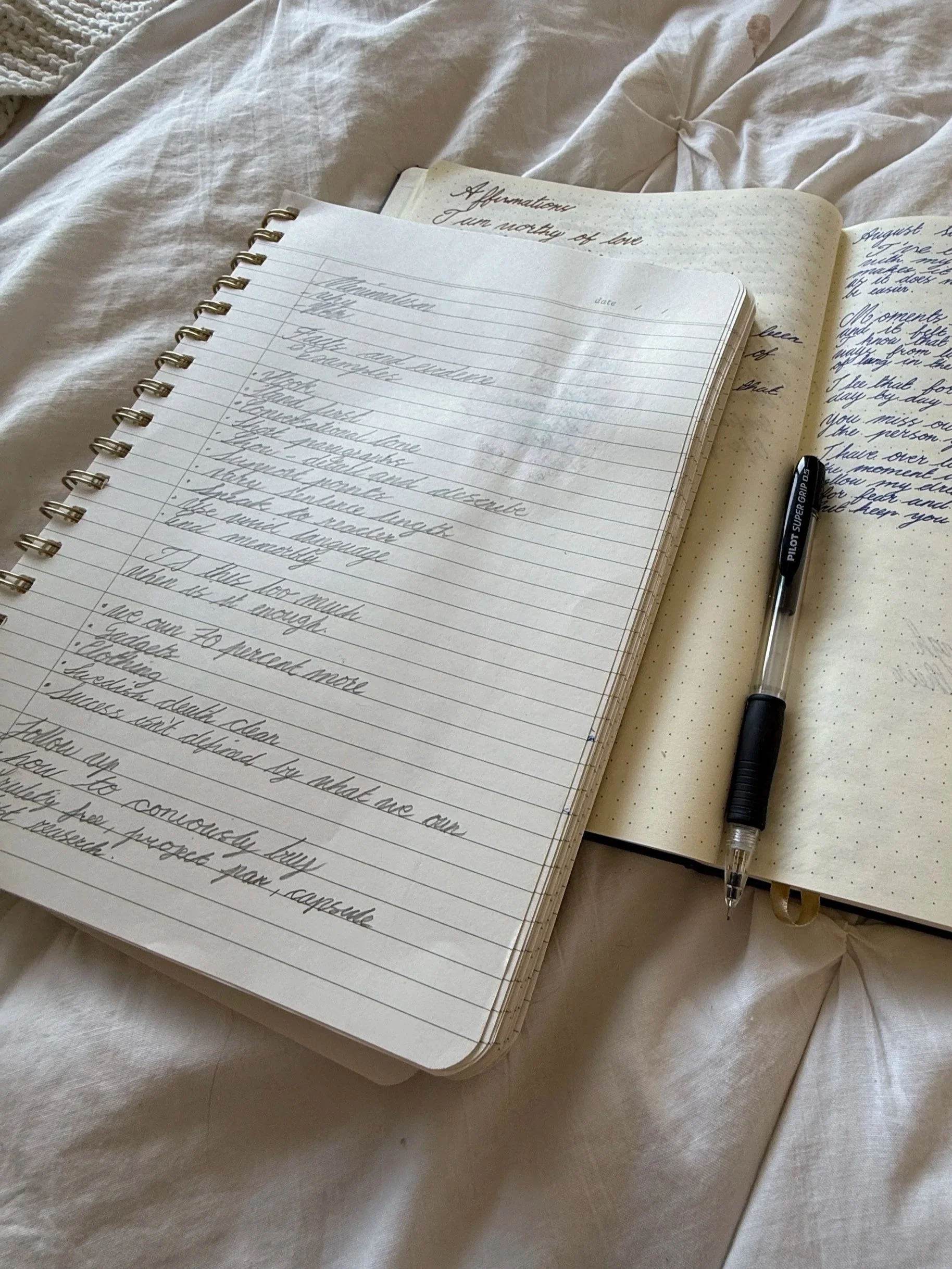
Before replacing anything, look at what’s already there. The moisturiser at the back of the cupboard. The candle saved for “another time”. The notebook with blank pages.
Treat your belongings as resources. Use them fully before inviting something new in.
Find Thoughtful Alternatives
Sometimes maintaining space means changing how you consume. I love reading, yet I dislike finishing a book only to watch it gather dust on a shelf. A Kindle became a practical solution. Buying second-hand books, or simply getting a free library card, offers the same joy without the accumulation.
Small shifts like this protect the space you’ve worked hard to create.
Create Simple Systems
Assign spaces for categories — essentials in one drawer, daily skincare in one section, paperwork in one file. When everything has a place, maintaining order becomes easier.
Maintenance is what prevents the cycle from repeating.
The Quiet Shift
A spring clean can sometimes feel sparse, and the urge to replace what you’ve removed may come in waves. But in the wider world, nature rarely rushes to fill space immediately. After pruning, there is pause. Stillness. Then, in time, regrowth.
The same applies inside our homes.
Space is not something to fear or quickly refill. It is an opportunity to allow what truly fits to grow back — slowly, intentionally and in alignment with who you are now.
Because when there is room to breathe, there is also room to choose more carefully.



A bold, editorial-style print for the girl in her becoming era.
“Who’s that girl?” is the headline of your life edit – the moment you realise you’ve outgrown the old version of you. This black-and-white typography print adds a chic, magazine feel to your space and a reminder that you’re allowed to change.
Designed in a clean, minimal style to sit with the Lavie edit aesthetic – coffee-table books, neutral tones and intentional living.